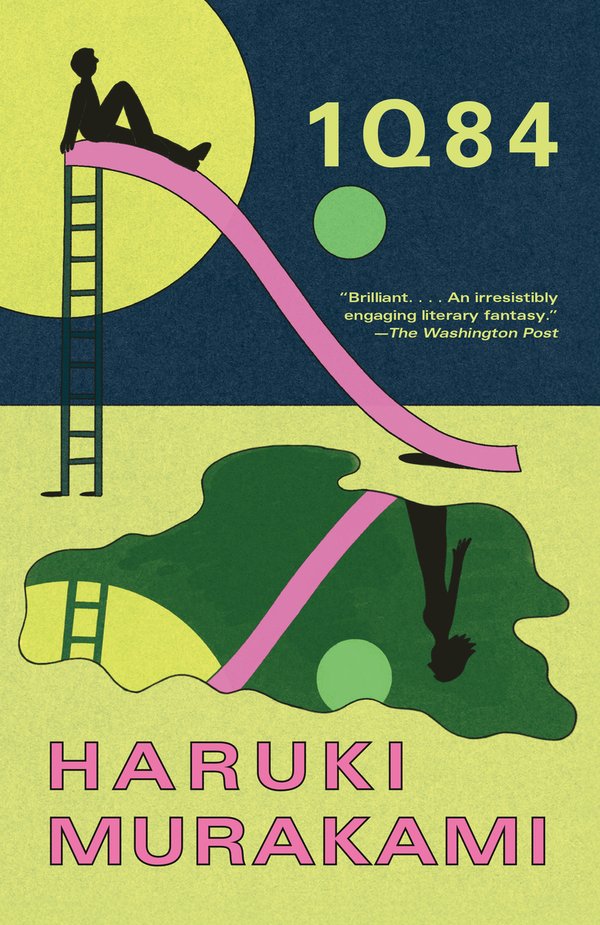
1Q84
Haruki Murakami
You know Murakami’s going to be weird, you just don’t know if you’re going to like that flavor of weird. Well, I loved 1Q84. What’s more romantic than one moon hanging in the sky? Two moons! The book—and it’s a…
10 books
Haruki Murakami
You know Murakami’s going to be weird, you just don’t know if you’re going to like that flavor of weird. Well, I loved 1Q84. What’s more romantic than one moon hanging in the sky? Two moons! The book—and it’s a…
Fumio Sasaki
Sasaki was a magazine editor in Tokyo, thirty-five, living alone in a room stacked with books, CDs, DVDs, and gear for hobbies he’d quit, comparing himself to everybody and losing. So he spent a year getting rid of about 95…
Junichiro Tanizaki
An essay from 1933 about what electric light did to Japanese aesthetics. Tanizaki argues that Japanese beauty was built for dimness — lacquerware designed to catch a single flame, gold leaf that only works in a dark room, the recess…
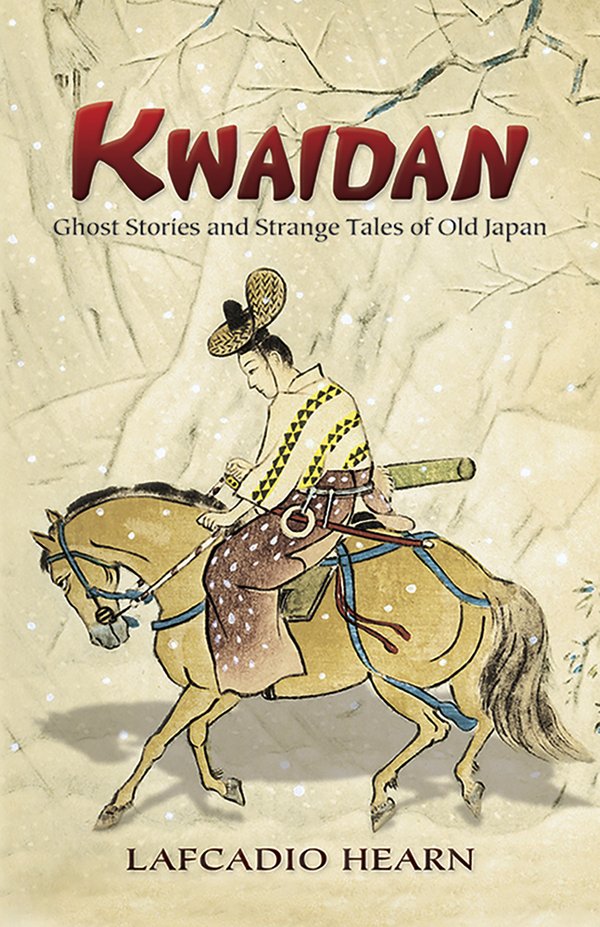
Lafcadio Hearn
Hearn was Greek-Irish, went to Japan in 1890 as a newspaper correspondent, married into a samurai family, took the name Koizumi Yakumo, and spent the rest of his life there. This is the collection he’s known for — Japanese ghost…
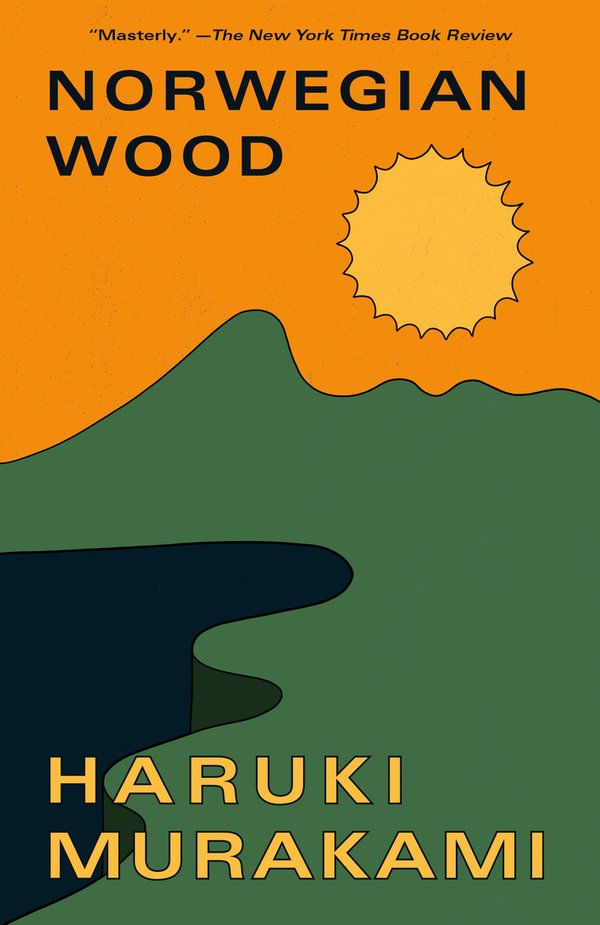
Haruki Murakami
Toru Watanabe hears a Beatles song on a plane and is thrown back to 1969, to a Tokyo university, and to two women. Naoko was his dead best friend’s girlfriend, fragile and receding into a sanatorium in the hills. Midori…
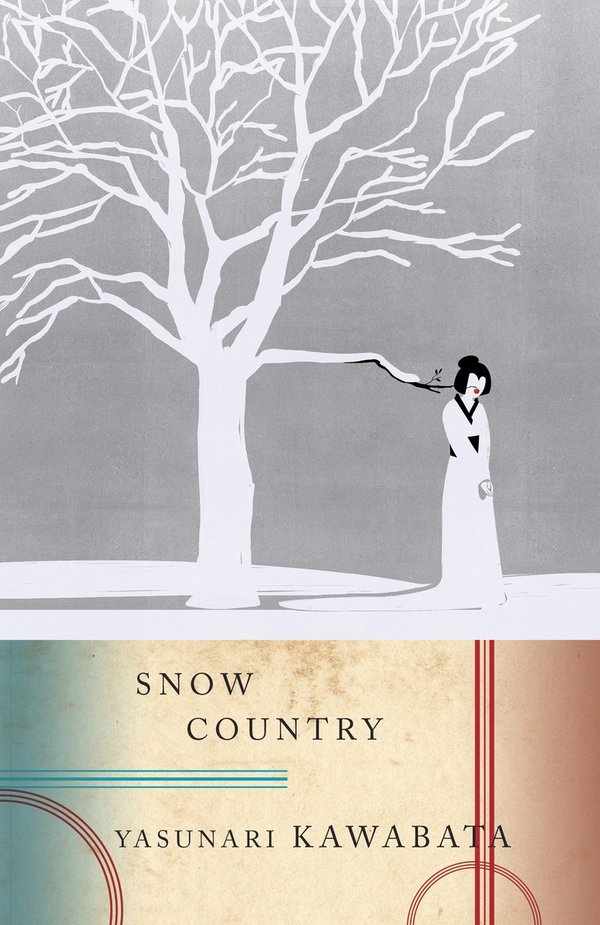
Yasunari Kawabata
A wealthy Tokyo dilettante named Shimamura takes the train through a long tunnel into the mountains of Niigata, where the snow piles up higher than the houses, and stays at a hot spring inn. There he takes up with Komako,…
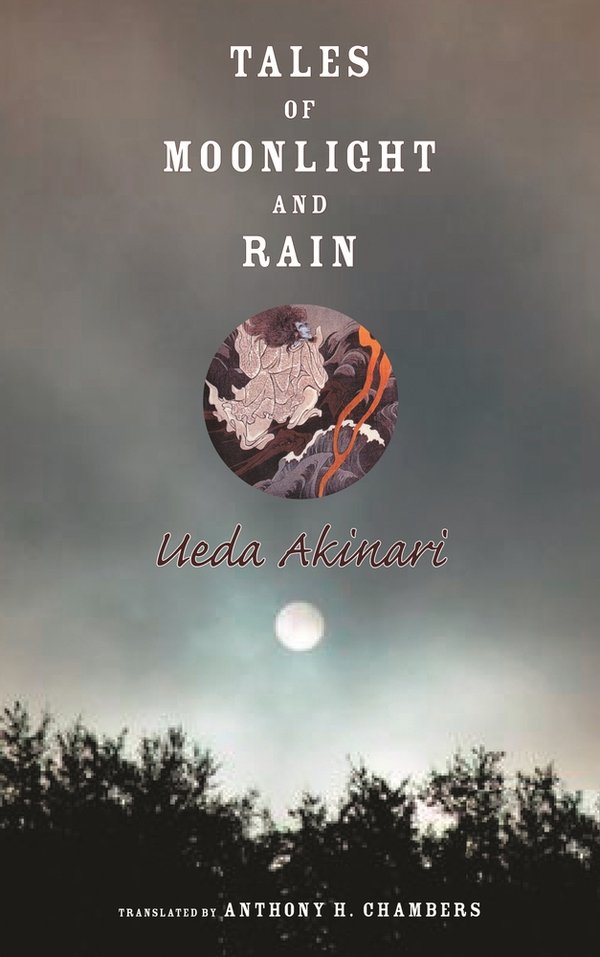
Ueda Akinari
First published in 1776, the nine gothic tales in this collection are Japan’s finest and most celebrated examples of the literature of the occult. They subtly merge the world of reason with the realm of the uncanny and exemplify the…
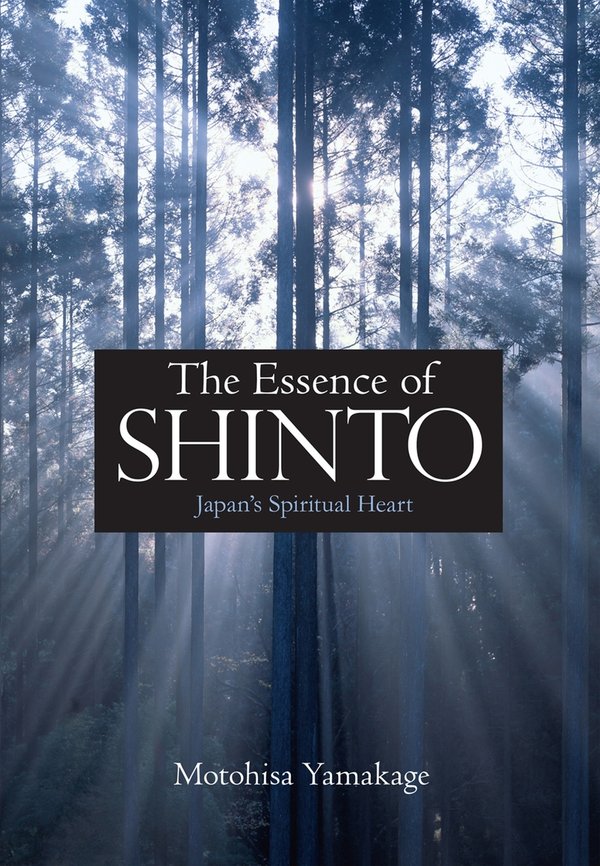
Motohisa Yamakage
Yamakage was a Shinto priest in a lineage going back generations, and this is an insider’s explanation for outsiders. Kami as presence rather than deity. Purification as the central practice and why it matters more than belief. The shrine, the…
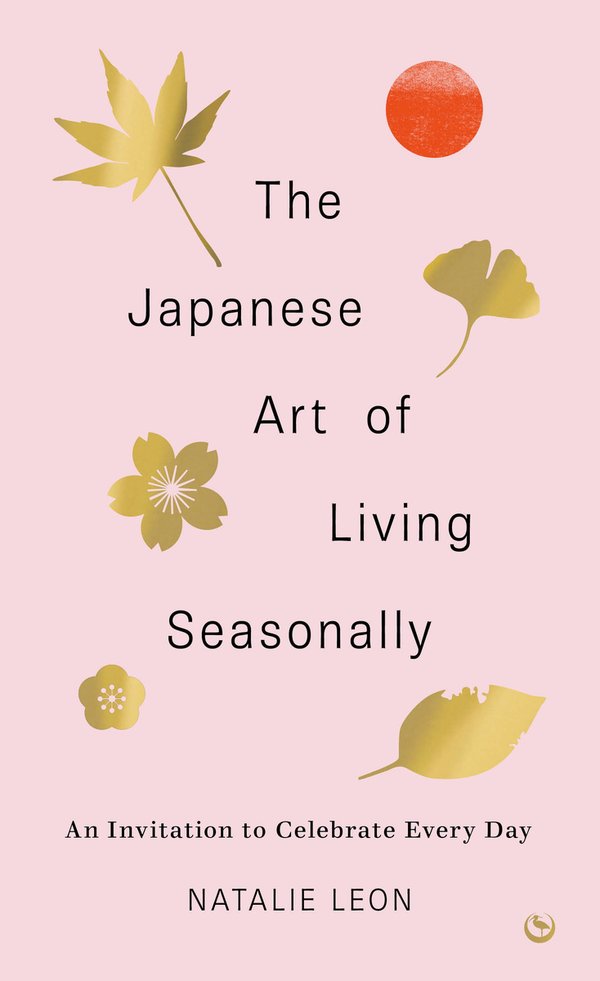
Natalie Leon
The old Japanese calendar splits the year into twenty-four sekki and then into seventy-two ko — microseasons of about five days each, with names like east wind melts the ice and rotten grass becomes fireflies. Leon studied tea and spent…
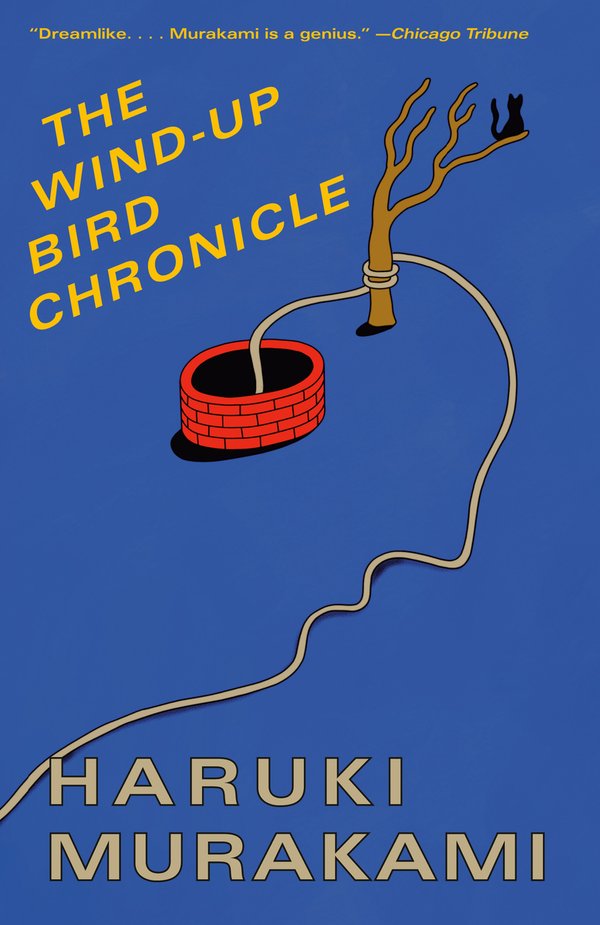
Haruki Murakami
Toru Okada is unemployed, boiling spaghetti, when the phone rings. Then the cat disappears. Then his wife does. What follows involves a psychic prostitute, a teenage neighbor, a politician brother-in-law with something badly wrong in him, and a man who…