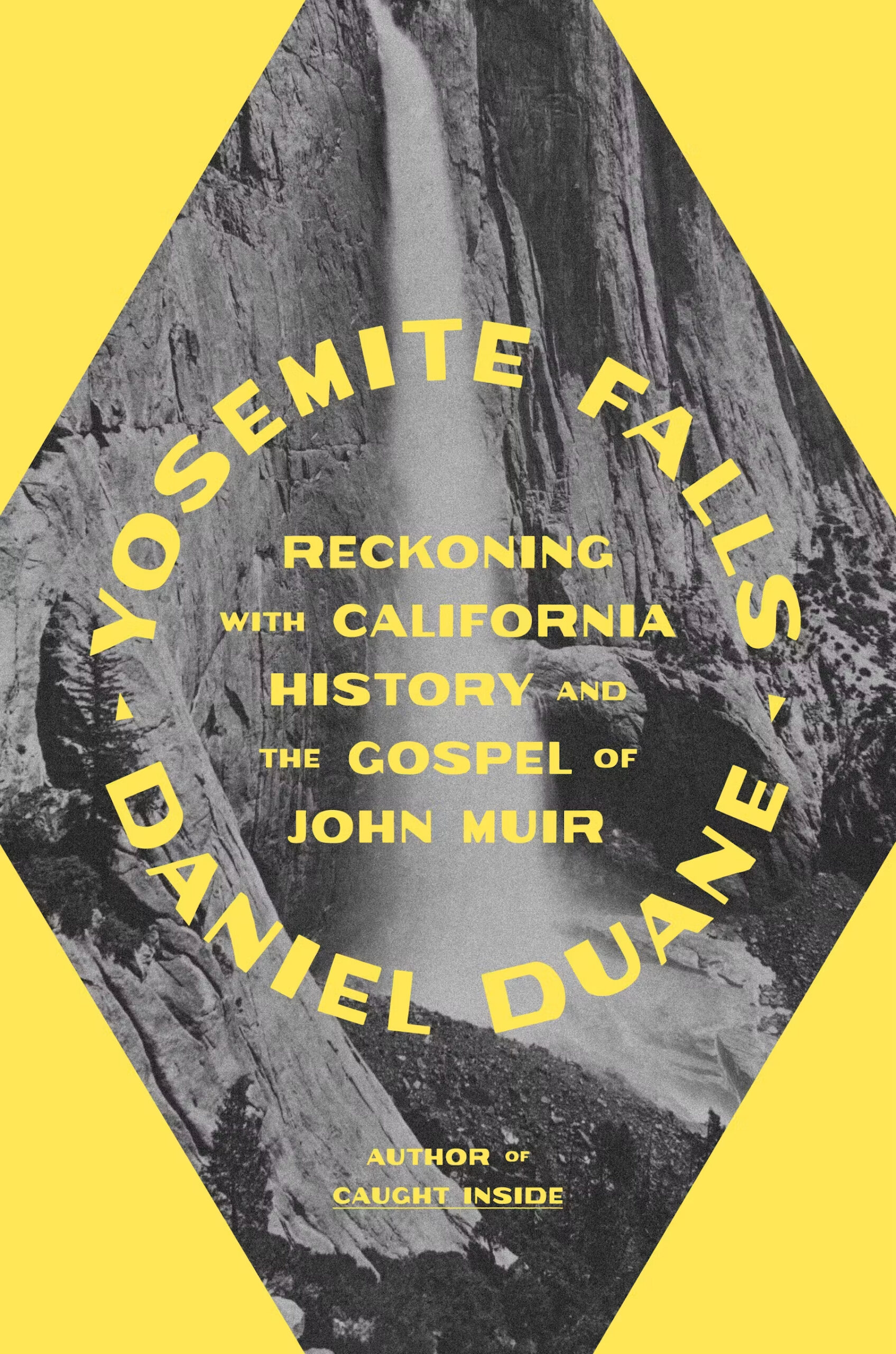
No. 0073
history · No fixed address
Charles C. Mann
I think we know now that what they taught us in school was…hmm…not always accurate. 1491 is the first book that opened my eyes to just how not accurate. Reporting from archaeology, anthropology, genetics, and ecology, Charles C. Mann upends…
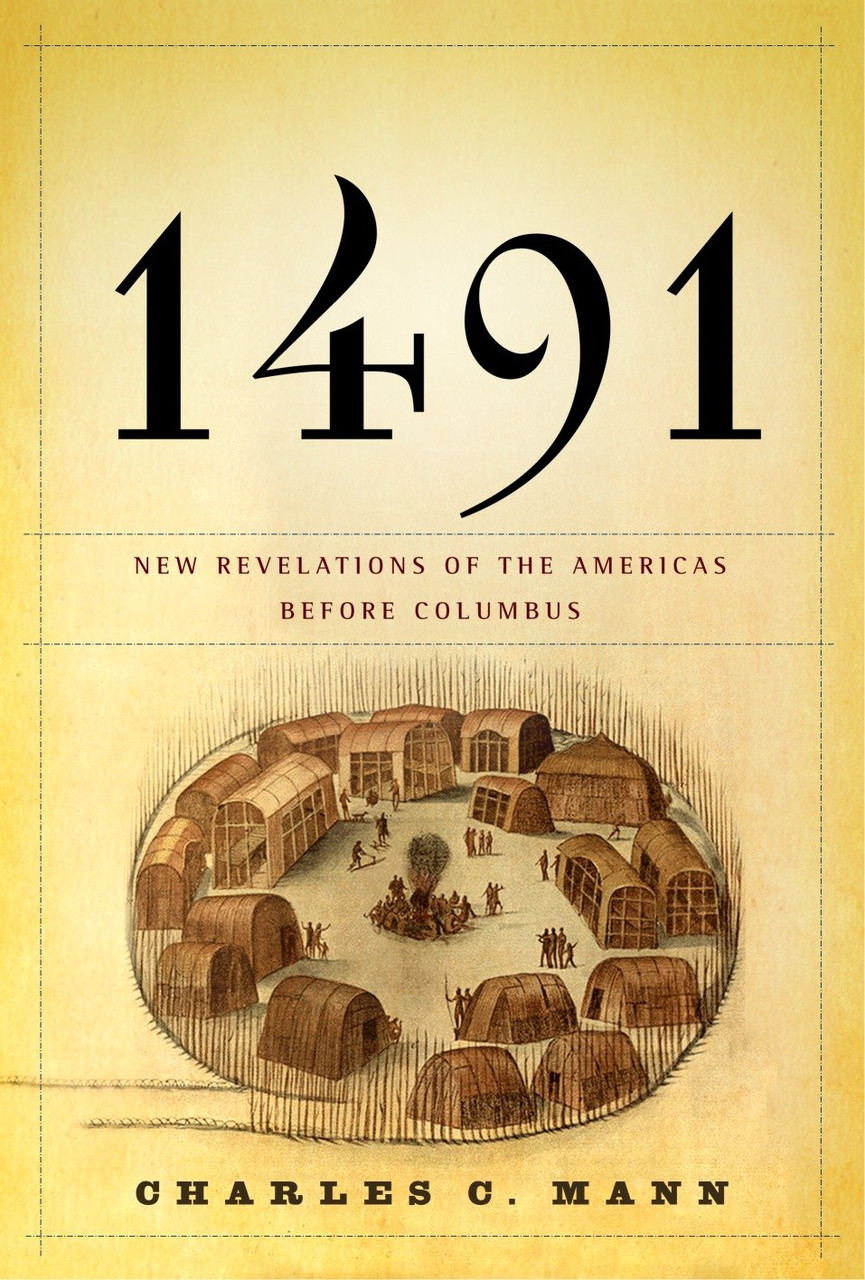
No. 0374
history · No fixed address
Andrew H. Knoll
I can’t read much deep-time stuff before it puts me to sleep. I read this. Knoll is a Harvard paleontologist who built his career on the Precambrian, the three billion years of microbial life that came before anything you can…
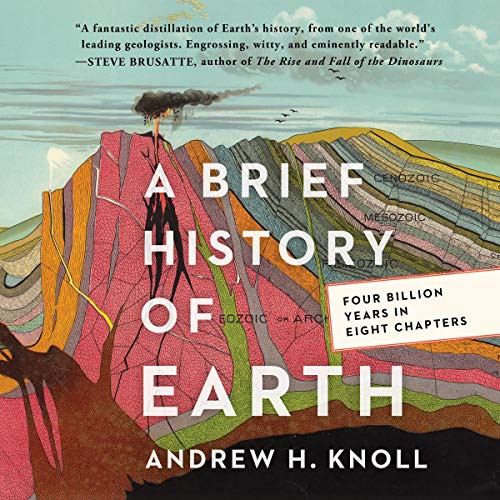
No. 0441
history · No fixed address
James C. Scott
Everybody knows the story: People figure out farming, settle down, build cities, and civilization takes it from there. Scott, an anthropologist and political scientist at Yale who spent his life studying how regular people dodge governments, points out the timeline…
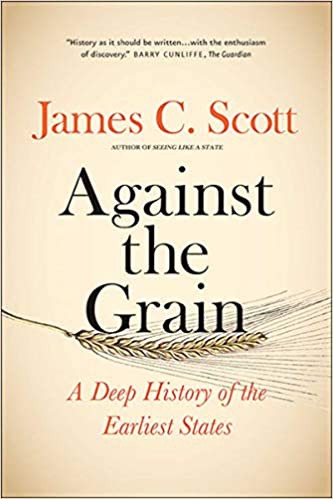
No. 0070
history · Desert Southwest
David E. Stuart
Everybody wants the ruins of Chaco Canyon to be a mystery. Stuart, an anthropologist at New Mexico who’s spent his career there, knows it isn’t. Chaco was a boom town. There were great houses five stories high, dead-straight roads running…
No. 0289
field guide · Desert Southwest
Linda S. Cordell and Maxine McBrinn
If you get serious about Southwest archaeology, this is the book that ends up on your shelf, and the third edition from 2012 is the current one. Linda Cordell taught at New Mexico and Colorado and was about as central…
No. 0311
field guide · No fixed address
Marilyn Stokstad and Michael W. Cothren
This is the survey doorstop, the one that gets assigned. Marilyn Stokstad wrote the first edition in the nineties at Kansas, and she did something the old standbys hadn’t: She quit treating art history as a straight line from Greece…
No. 0037
adventure · No fixed address
Craig Childs
Craig Childs went looking for the first people in the Americas by walking the ground they walked, back when the map looked nothing like it does now. Sea level was four hundred feet lower, an ice sheet sat on Canada,…
No. 0404
history · No fixed address
Lisa Phillips
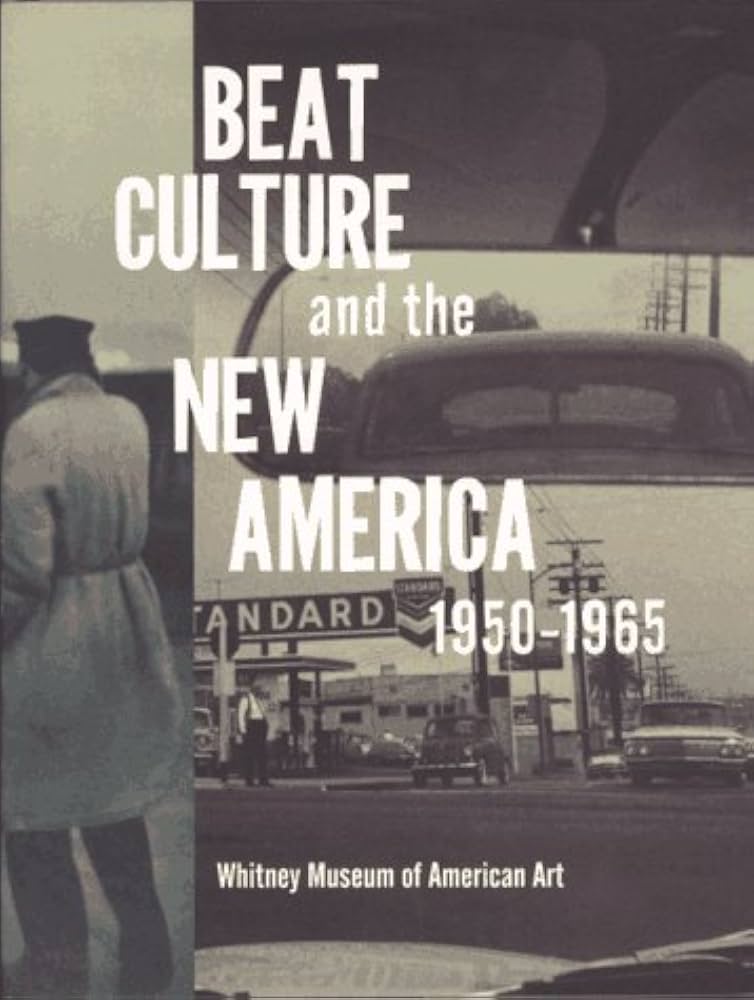
In 1995, the Whitney Museum of American Art hung a show arguing that the Beats weren’t just a few novelists and a poem — they were a whole visual and cultural movement; this is the catalog for that show. The…
No. 0322
history · Desert Southwest
R.E. Burrillo
Burrillo took the long way to Cedar Mesa — upstate New York, then New Orleans tending bar for five years trying to be a writer, then seasonal work in Glacier and two summers on the North Rim, which is where…
No. 0115
history · Desert Southwest
Hampton Sides
Kit Carson was a small, illiterate, soft-spoken trapper who couldn’t read the dime novels that made him a legend while he was still alive. Sides uses him as the thread through the whole conquest of the Southwest — the Mexican…
No. 0347
history · American West
Dan Flores
Wolves got wiped out of the Lower 48. Coyotes got the same treatment — bounties, poison, a federal agency that killed millions of them for the better part of a century — and instead of dying off they spread into…
No. 0384
field guide · Desert Southwest
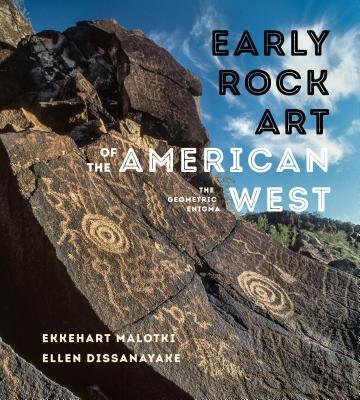
Ekkehart Malotki
Almost everybody looking at rock art goes hunting for the pictures — the sheep, the hunters, the spirals with a story attached. (It’s the reason I drive past Mojave scratches to get to Colorado Plateau galleries.) Malotki and Dissanayake point…
No. 0349
history · Desert Southwest
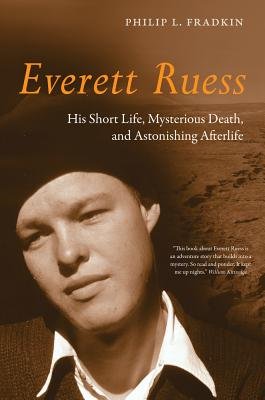
Philip L. Fradkin
In November 1934, a twenty-year-old kid from Los Angeles rode two burros into Davis Gulch on the Escalante and never came out. The burros were found penned in the canyon. He wasn’t. He’d been wandering the Southwest since he was…
No. 0076
field guide · No fixed address
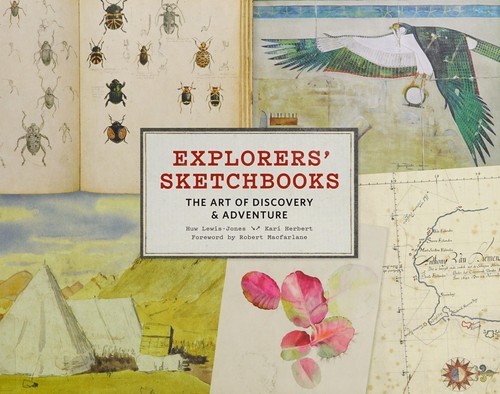
Huw Lewis-Jones; Kari Herbert
Before cameras, if you wanted to bring back what you saw, you drew it. Married couple Lewis-Jones and Herbert — he’s a polar guide and historian, she’s the daughter of the explorer Wally Herbert — pulled together seventy sketchbooks kept…
No. 0094
history · polar regions
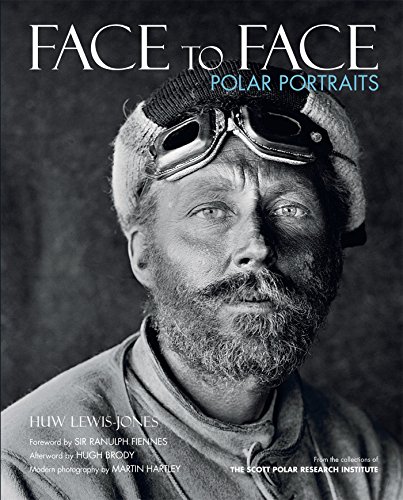
Huw Lewis-Jones
Polar explorer, historian, professor, and writer Huw Lewis-Jones is so prolific you will be forgiven for thinking there are two of him. In 2010, he published this book, an admiring sweep of ocean pioneers, along with a similar, companion book…
No. 0030
adventure · American West
Craig Childs
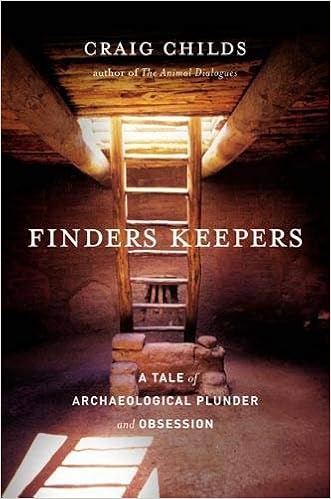
Craigs Childs walks canyons and leaves what he finds where it lies. That’s his position going in, and this book is him spending four years having it argued out of him. He sits with private collectors who have Mimbres bowls…
No. 0026
history · Desert Southwest
David Roberts
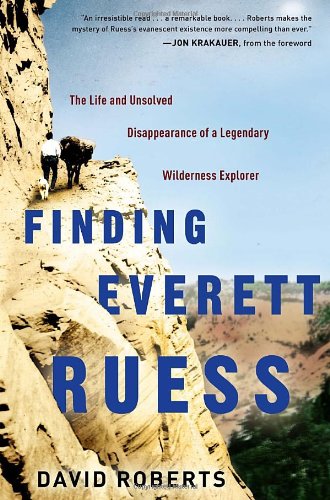
Roberts came at Ruess for thirty years, and this book is him inside the story instead of outside it. The first half is the life: the letters, the woodblock prints, the burros, five years of a kid in his teens…
No. 0446
history · American West
Omer Stewart
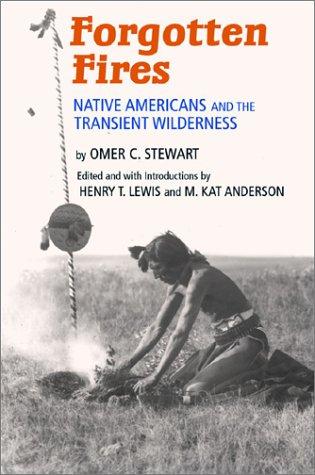
Omer Stewart wrote this in the 1950s and nobody would publish it. His claim was that the pristine wilderness the pioneers walked into wasn’t pristine at all — Native people had been burning it on purpose for thousands of years,…
No. 0360
history · Mexico
Hayden Herrera
Herrera published this in 1983, when Kahlo was still mostly filed as Diego Rivera’s wife, and it’s the book that ended that. She goes back to the blue house in Coyoacán where Frida was born, the polio at six, and…

No. 0400
history · Mexico
Pablo Ortiz Monasterio
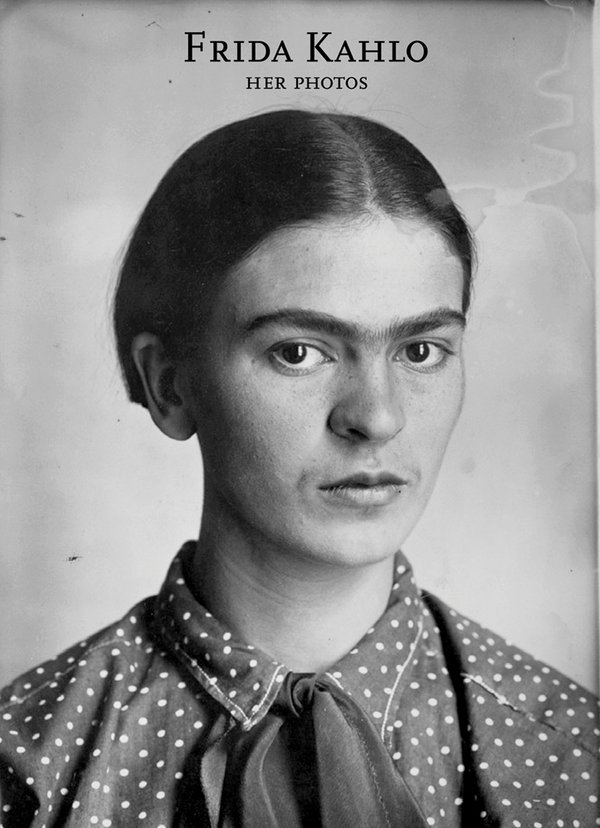
When Kahlo died in 1954, Diego Rivera turned the Blue House into a museum but had the rest of her things — clothes, letters, documents, and more than six thousand photographs — locked in the bathrooms and sealed. They stayed…
No. 0307
history · Europe
Michel Pastoureau
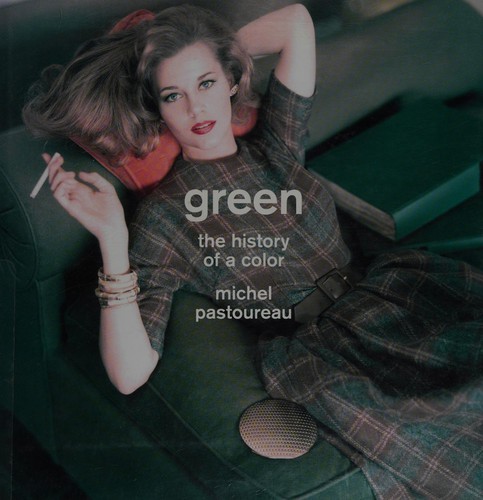
Green was hard to make and harder to keep. The dye wouldn’t hold — it faded, it shifted, it wouldn’t sit still on cloth — and medieval guilds kept the blue dyers and the yellow dyers separate by law, so…
No. 0031
adventure · Desert Southwest
Craig Childs
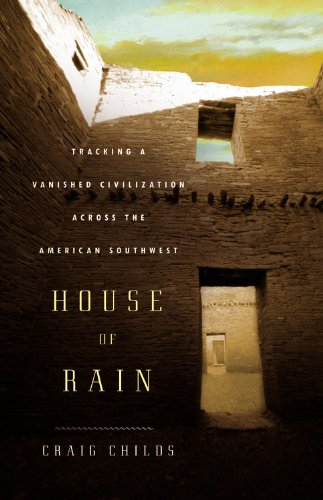
The standard story is that the Ancestral Puebloans vanished. Childs walks the actual ground to show they moved. He starts at Chaco and follows the trail out — the great houses at Aztec and Mesa Verde, the roads, the pottery…
No. 0108
history · mountains
Katie Ives
In 1962, a climbing magazine ran a photo of an impossible range of granite spires called the Riesenstein, said to be in British Columbia, and climbers went looking for it. It was a hoax — the picture showed the Kichatna…

No. 0063
adventure · Desert Southwest
David Roberts
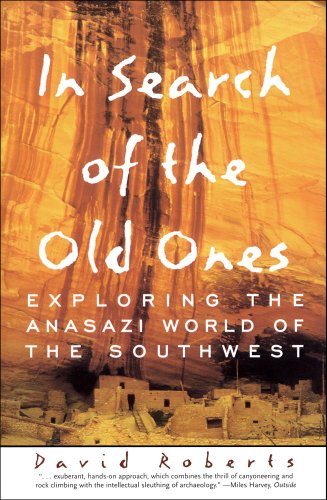
This book changed my life. Roberts was a mountaineer who fell hard for the Ancestral Puebloans and spent years walking to their sites in the canyons of southeast Utah and northeast Arizona — cliff dwellings on ledges, granaries, rock art…
No. 0046
adventure · Asia
Wade Davis
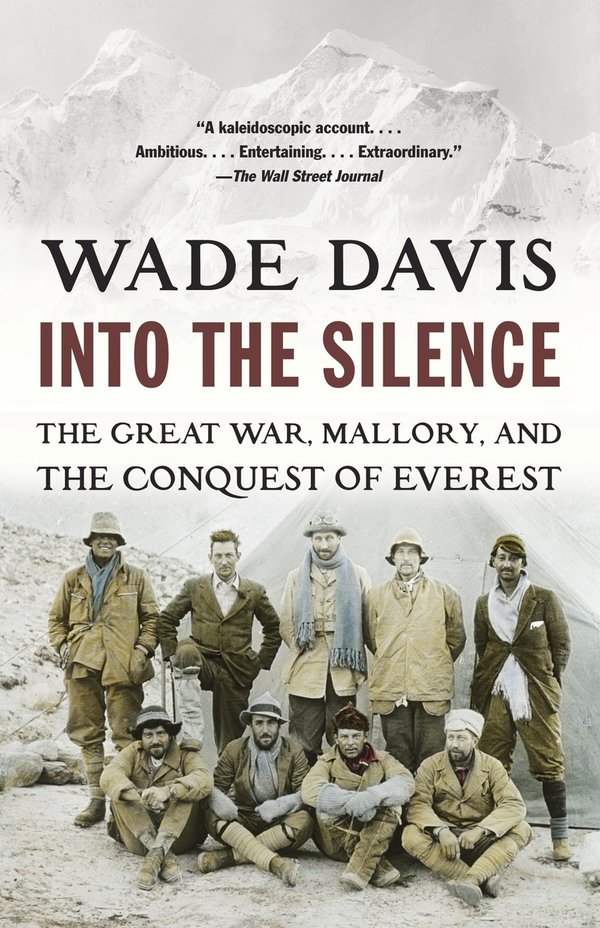
Wade Davis’s monumental history of the British Everest expeditions of the 1920s — and the World War I trauma that drove them. The climbers who went to Everest were survivors of the trenches. The mountain was where they went to…
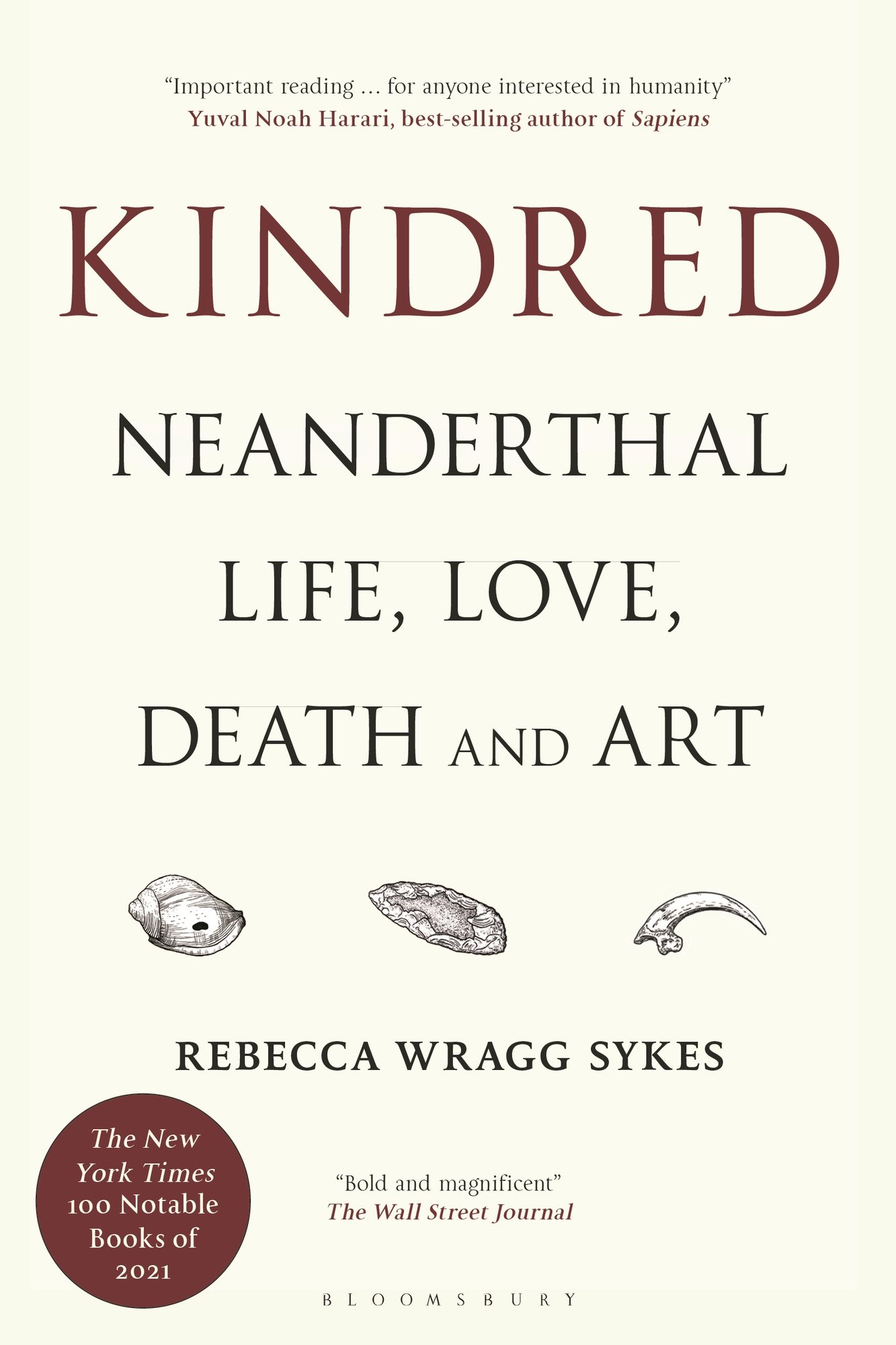
No. 0120
history · Europe
Rebecca Wragg Sykes
Smug Homo sapiens have long looked down on Neanderthals, like city folk sneering at country cousins. Snort. You couldn’t even not go extinct. But these hominins have always gotten a bad rap, and Rebecca Wragg Sykes’s affectionate synthesis of a…
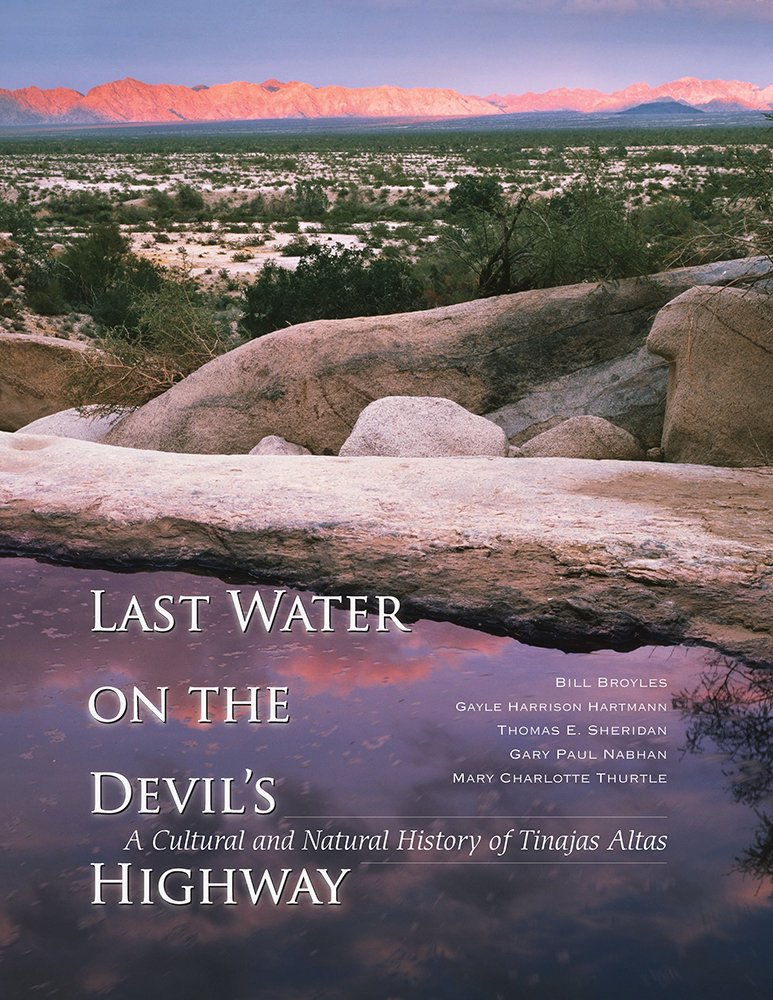
No. 0320
field guide · Desert Southwest
Bill Broyles
El Camino del Diablo runs across the driest corner of the Sonoran Desert, and for centuries the only reliable water on it was Tinajas Altas — a stack of natural rock basins in a granite ravine, filled by the rare…
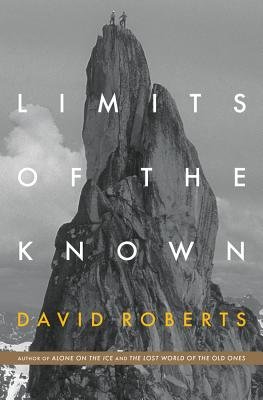
No. 0052
history · No fixed address
David Roberts
Written after a cancer diagnosis at seventy-three, and it’s Roberts taking stock of a life of risk and asking what exploration was ever for. He goes through the history — polar travel, the Amazon, the great cave systems, first ascents…
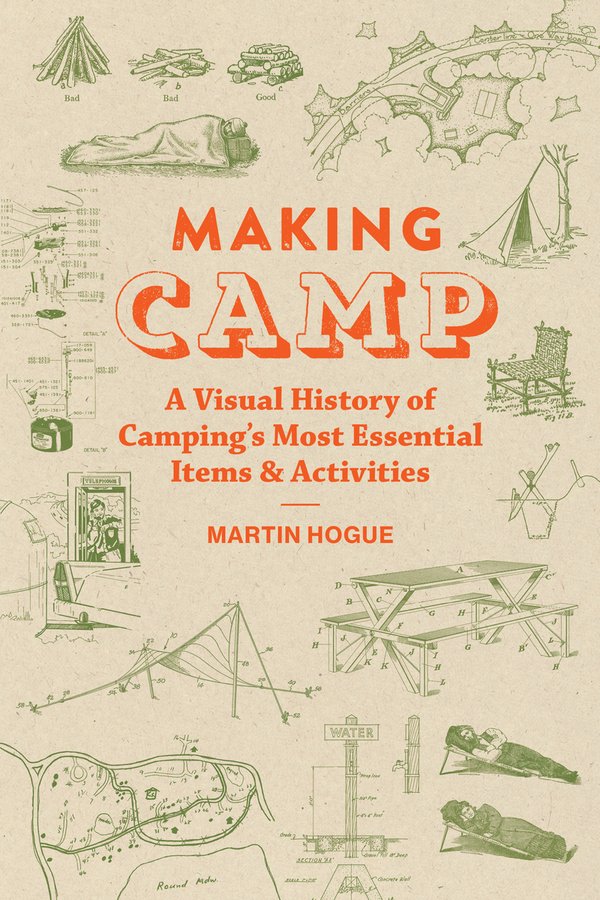
No. 0299
field guide · No fixed address
Martin Hogue
Hogue teaches landscape architecture and looks at camping the way an architect looks at a building — as a designed system nobody notices. The campsite with its numbered post, fire ring, picnic table, and parking spur is an invention with…
No. 0369
field guide · No fixed address
Lucinda Kaukas Havenhand
A history of the American interior between roughly 1940 and 1970, and it’s about interiors rather than the famous chairs. Havenhand covers the designers who shaped how rooms looked and worked — Florence Knoll, Ray Eames, Alexander Girard, Van Day…

No. 0283
history · No fixed address
Robert G. Bednarik
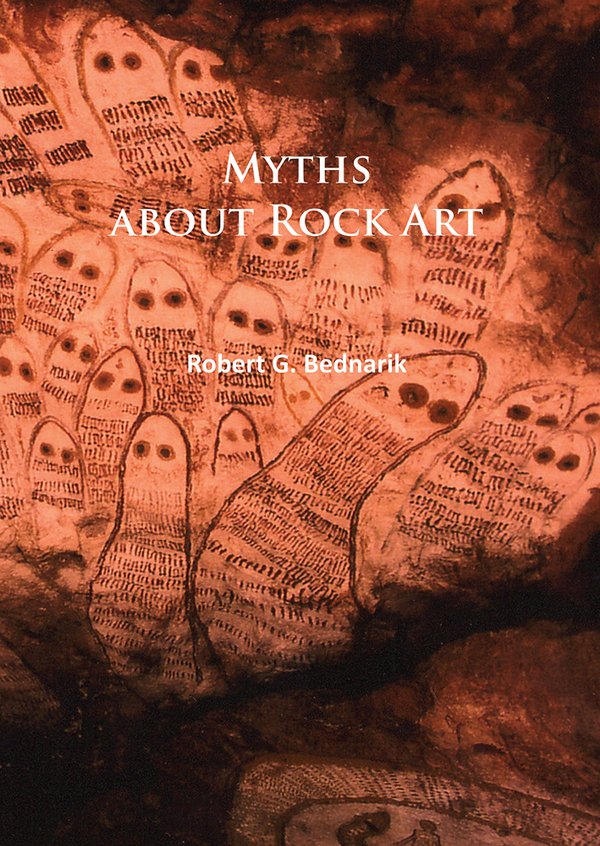
Bednarik is a self-taught Australian researcher with more than a thousand papers and no formal degree, and he has spent his career telling the rock art field it is making things up. This is the catalog of that. Natural cracks…
No. 0466
history · No fixed address
George R. Stewart
This book outlines where every major American place name came from, told as a narrative rather than a dictionary. Stewart runs the whole sweep — Native words remade by the English, Spanish saints, French traders, Dutch New York, the Puritans…
No. 0338
history · No fixed address
Kathleen DuVal
A thousand years of Native North America told as the history of powerful nations rather than as a prelude to colonization. DuVal opens at Cahokia, the city on the Mississippi bigger than London at the time, and works forward through…
No. 0415
history · American West
Richard A. Rogers
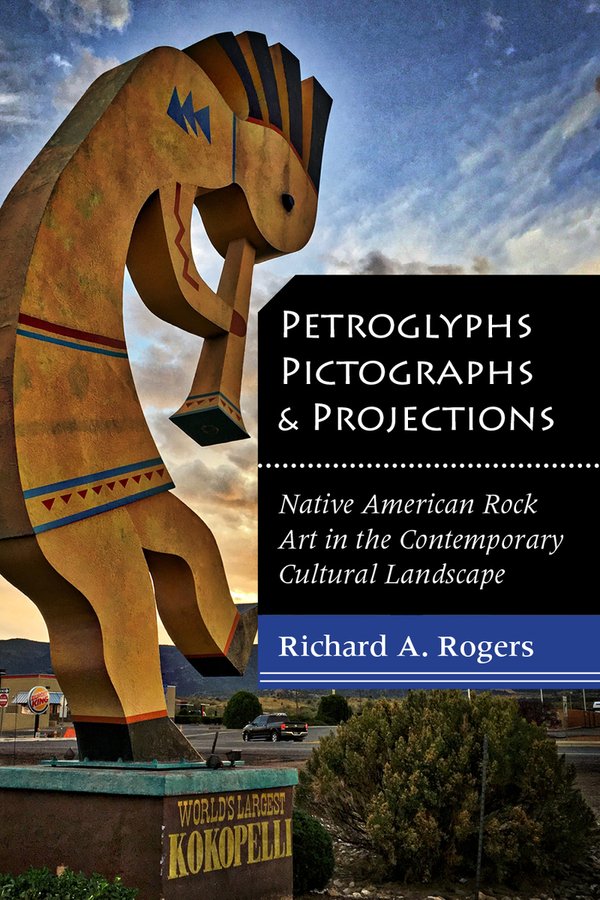
Rogers is a communication scholar, and his subject isn’t what rock art meant but what we keep doing with it. Visitor centers, guidebooks, New Age tours, corporate logos, and the shaman theory all get examined as acts of appropriation, each…
No. 0475
history · Europe
Tony Judt
Europe from the rubble of 1945 to 2005, east and west given equal weight, in one nine-hundred-page volume by a historian who could actually write. The material everybody knows — Marshall Plan, Wall, 1968, 1989 — is here, but the…
No. 0066
adventure · South America
Candice Millard
Despite his well-document track record of pushing beyond his physical limits and emerging from life-threatening situations mostly unscathed, Theodore Roosevelt’s journey through uncharted regions of the Amazon almost broke him. What started as a comically arrogant march through the jungle…
No. 0125
history · No fixed address
Tim Queeney
The widespread adoption of nylon kernmantle ropes in the early 1960s revolutionized rock climbing—their ability to stretch nearly forty percent absorbed the energy of a fall, protecting climbers from rope injuries and opening the door to bold risk-taking. But as…
No. 0358
history · No fixed address
Yuval Noah Harari
This is the whole span of the species in one volume, organized around three revolutions: Cognitive, agricultural, scientific. Harari’s central move is that what let us take over wasn’t intelligence exactly but the ability to believe in things that don’t…
No. 0005
adventure · Asia
Carl Hoffman
In 1961, Michael Rockefeller, twenty-three, son of the governor of New York, disappeared off the coast of Asmat in Dutch New Guinea while collecting art. The family said he drowned. Hoffman went and lived in Asmat villages for months, worked…
No. 0467
history · island
Christina Thompson
How did people reach every habitable island across ten million square miles of Pacific, upwind, centuries before Europeans could cross an ocean at all? Thompson takes the whole history of that question: Cook and his crews puzzling over it, missionaries,…
No. 0279
history · American West
M. Kat Anderson
The California the Spanish and then the Americans walked into looked like untouched abundance, and Anderson’s book shows it was a garden. Indigenous Californians burned meadows on schedule, coppiced hazel and redbud so the shoots would come back straight enough…
No. 0413
history · Desert Southwest
David Roberts
For thirty years, David Roberts made annual pilgrimages from his home in Massachusetts to Four Corners canyon country, land he loved passionately. The last time we almost crossed paths in person, he was renting a house in Bluff and I…
No. 0378
history · Desert Southwest
Stephen Lekson
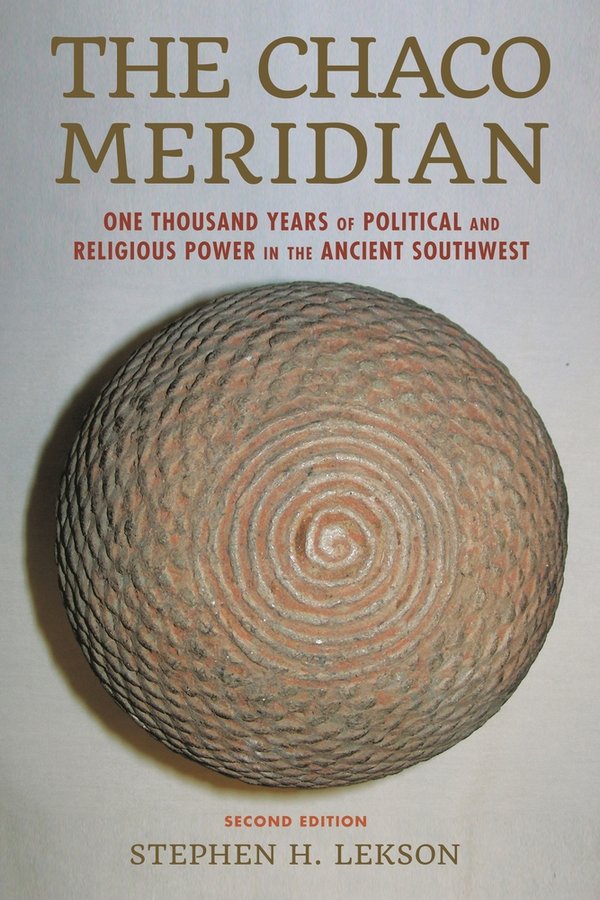
Lekson noticed that Chaco Canyon, Aztec Ruins, and Paquimé in Chihuahua sit within a few minutes of longitude of one another, hundreds of miles apart, and built at different times from one another over four centuries. His premise is it…
No. 0055
adventure · polar regions
Huw Lewis-Jones
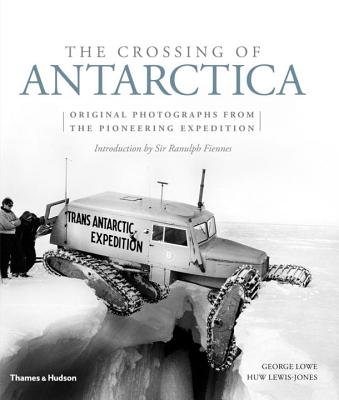
In 1957 and 1958, the Commonwealth Trans-Antarctic Expedition drove tractors two thousand miles across the continent through the pole, the first surface crossing ever made, with Hillary’s team laying depots from the far side. George Lowe was the expedition photographer…
No. 0357
history · No fixed address
David Graeber
The standard story of human civilization development argues we went from small egalitarian bands, to farming, to cities, and then inevitable hierarchy and the state. Graeber, an anthropologist, and Wengrow, an archaeologist, spent ten years arguing that’s baloney. Evidence shows…
No. 0075
adventure · Desert Southwest
Kevin Fedarko
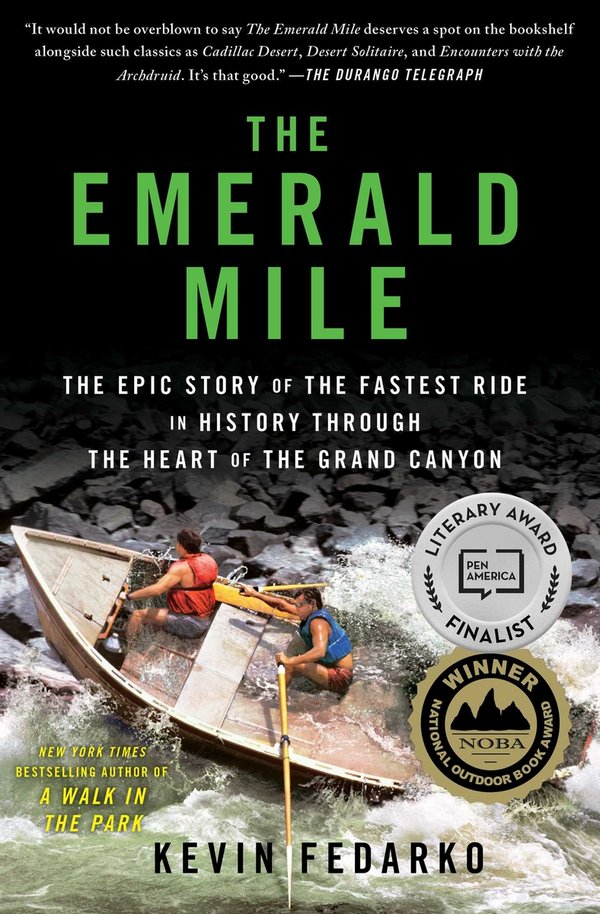
In June 1983, the snowpack came off the Rockies faster than anyone predicted and Glen Canyon Dam started to come apart, spillways cavitating, plywood bolted onto the top to hold the reservoir back. With the Grand Canyon closed to boats…
No. 0428
history · forest
John Vaillant
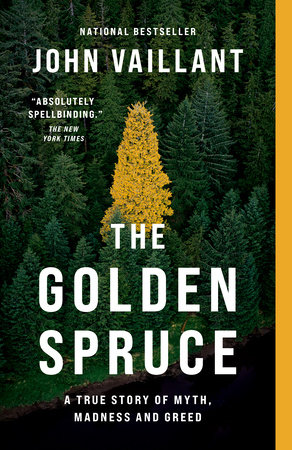
The tree of the title was a three-hundred-year-old Sitka spruce on Haida Gwaii with a genetic mutation that made its needles gold — a tree sacred to the Haida, protected in a small reserve, and a tourist attraction. In 1997,…
No. 0069
history · No fixed address
Matt Warshaw
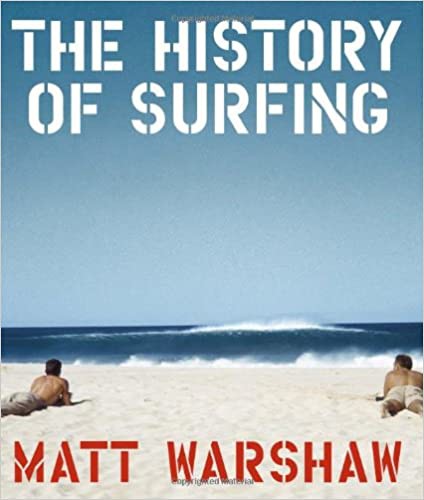
If sports could wish, every sport wishes it could be treated with the depth, breadth, love, and wit that Matt Warshaw has given surfing. The former editor of Surfer magazine, Warshaw is the preeminent chronicler of surfing history, and no…
No. 0431
history · Europe
Andrea Wulf
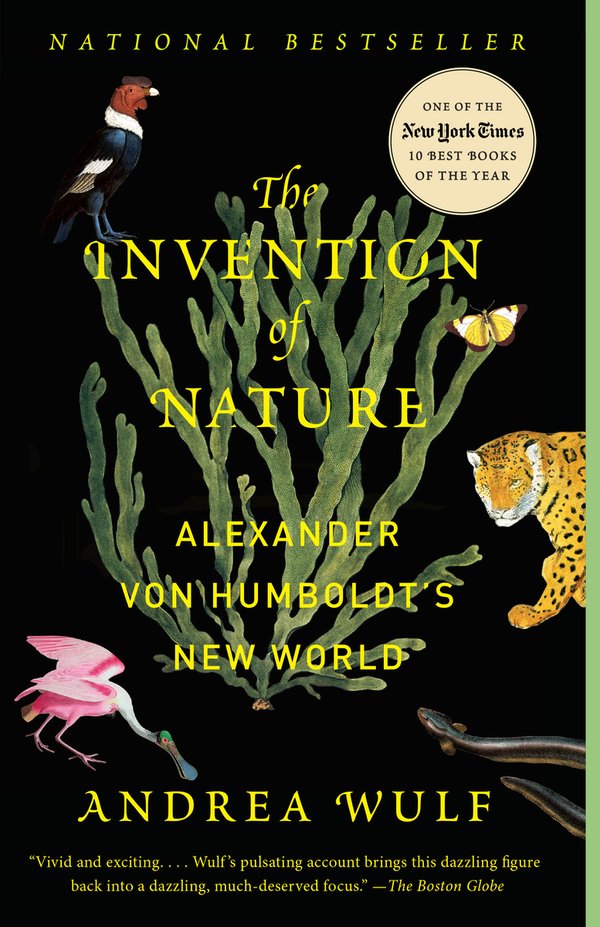
Alexander von Humboldt was the most famous scientist in the world in his lifetime and is now mostly a list of place names. Wulf brings him back: Five years in South America, climbing Chimborazo higher than anyone had gone, and…
No. 0001
adventure · American West
Eric Blehm
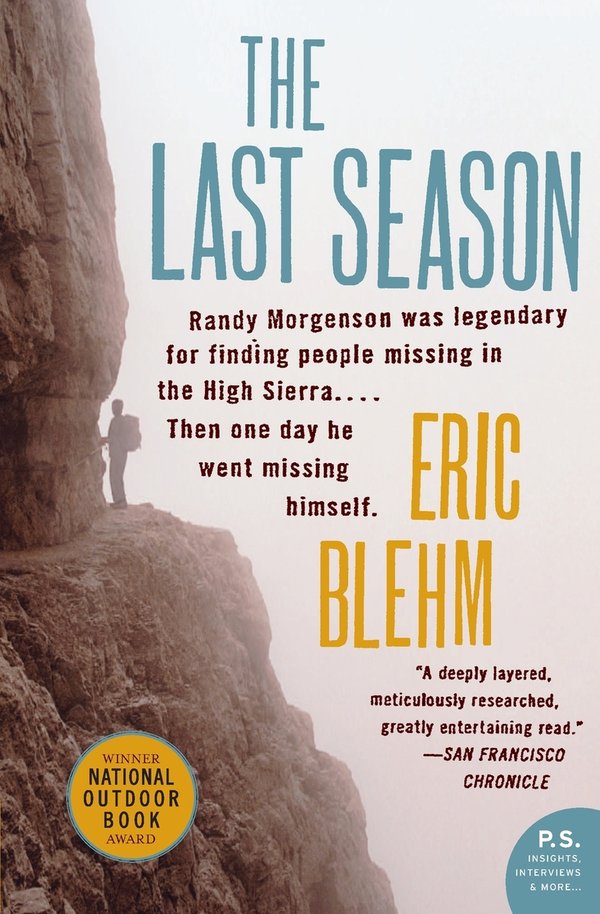
Randy Morgenson spent twenty-eight summers as a backcountry ranger in Sequoia and Kings Canyon, walking a district most people never see, and in July 1996 he didn’t answer the radio. What followed was one of the largest searches in Park…
No. 0007
adventure · Asia
Carl Hoffman
Two men, thirty years apart. Bruno Manser, a Swiss shepherd who walked into the Sarawak rainforest in 1984, lived six years with the nomadic Penan, then led their blockades against the logging companies and became a wanted man before vanishing…

No. 0074
adventure · forest
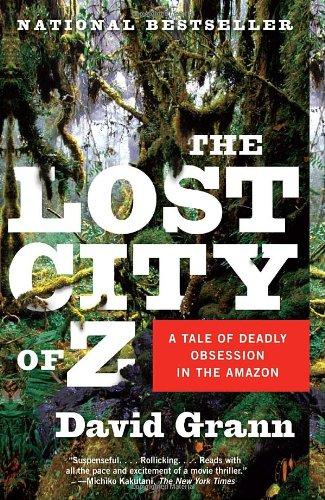
David Grann
In 1925, Percy Fawcett, the most experienced explorer in the Amazon, walked into the Mato Grosso with his son and his son’s friend looking for a city he called Z, and none of them came out. Something like a hundred…
No. 0051
adventure · Desert Southwest
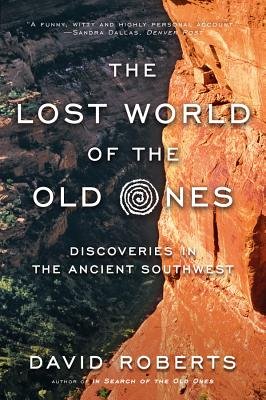
David Roberts
The sequel to In Search of the Old Ones, twenty years on. He revisits sites and finds some wrecked by visitation and others still untouched, and pushes into new country — Range Creek in Utah, kept private by one family…
No. 0337
history · Desert Southwest
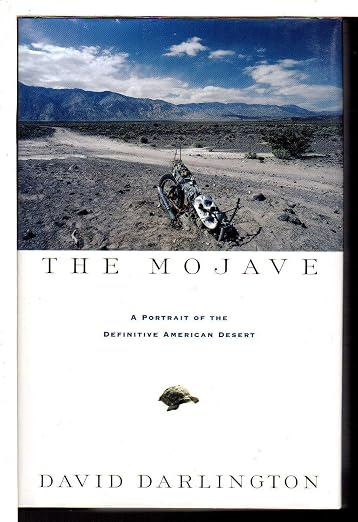
David Darlington
Darlington spent years driving and walking the Mojave in the years around the fight over the California Desert Protection Act, and the book is built out of the people who live there and can’t agree on anything. Miners who see…
No. 0389
history · space
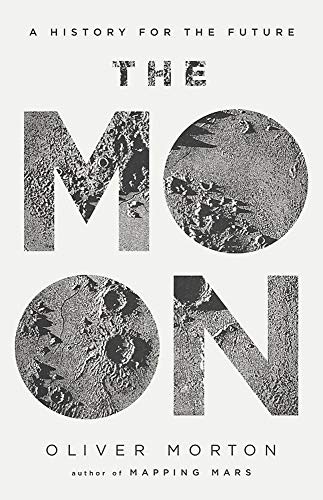
Oliver Morton
Morton is a science writer and this is the moon from every angle at once: how it formed and why that mattered for life here, what Apollo was as a political project, the geology of a dead world and what…
No. 0277
history · No fixed address
Roland Allen
A history of the blank book, and it’s better than that sounds. Allen starts in medieval Italy, where merchants worked out double-entry bookkeeping and needed something to keep it in, and paper had just gotten cheap enough. From there the…

No. 0077
field guide · sea
Huw Lewis-Jones
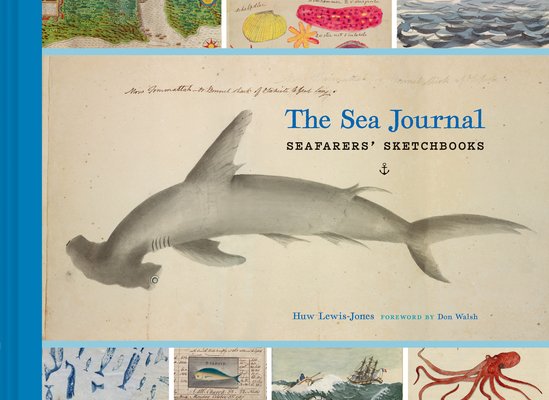
Facsimile pages from the private logbooks and sketchbooks of people at sea across four centuries. Naval officers, whalers, a ship’s surgeon, naturalists, a young woman on an emigrant voyage, modern sailors and marine biologists. Watercolors of coastlines drawn as navigational…
No. 0288
field guide · No fixed address
Kassia St. Clair
Seventy-five colors, two or three pages each, and every one has a story with a twist. Mummy brown was made from actual ground-up mummies, and Victorian painters kept buying it until they found out. Scheele’s green was arsenic and it…

No. 0136
adventure · Alaska
Cassidy Randall
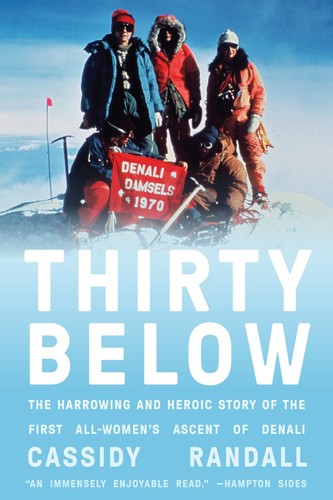
Yes, gender is critical to the story of the 1970 Denali Damsels expedition on North America’s tallest summit. The six women just wanted to climb mountains, and in the late 1960s they had to fight male misogyny and suspicion to…
No. 0490
history · No fixed address
Kory Stamper
Kory Stamper spent decades writing dictionaries at Merriam-Webster, and she kept getting stuck on the color entries in Webster’s Third, which are gloriously nuts. Begonia is defined as a deep pink that’s bluer than fiesta and stronger than sweet william.…

No. 0306
history · Europe
Franny Moyle
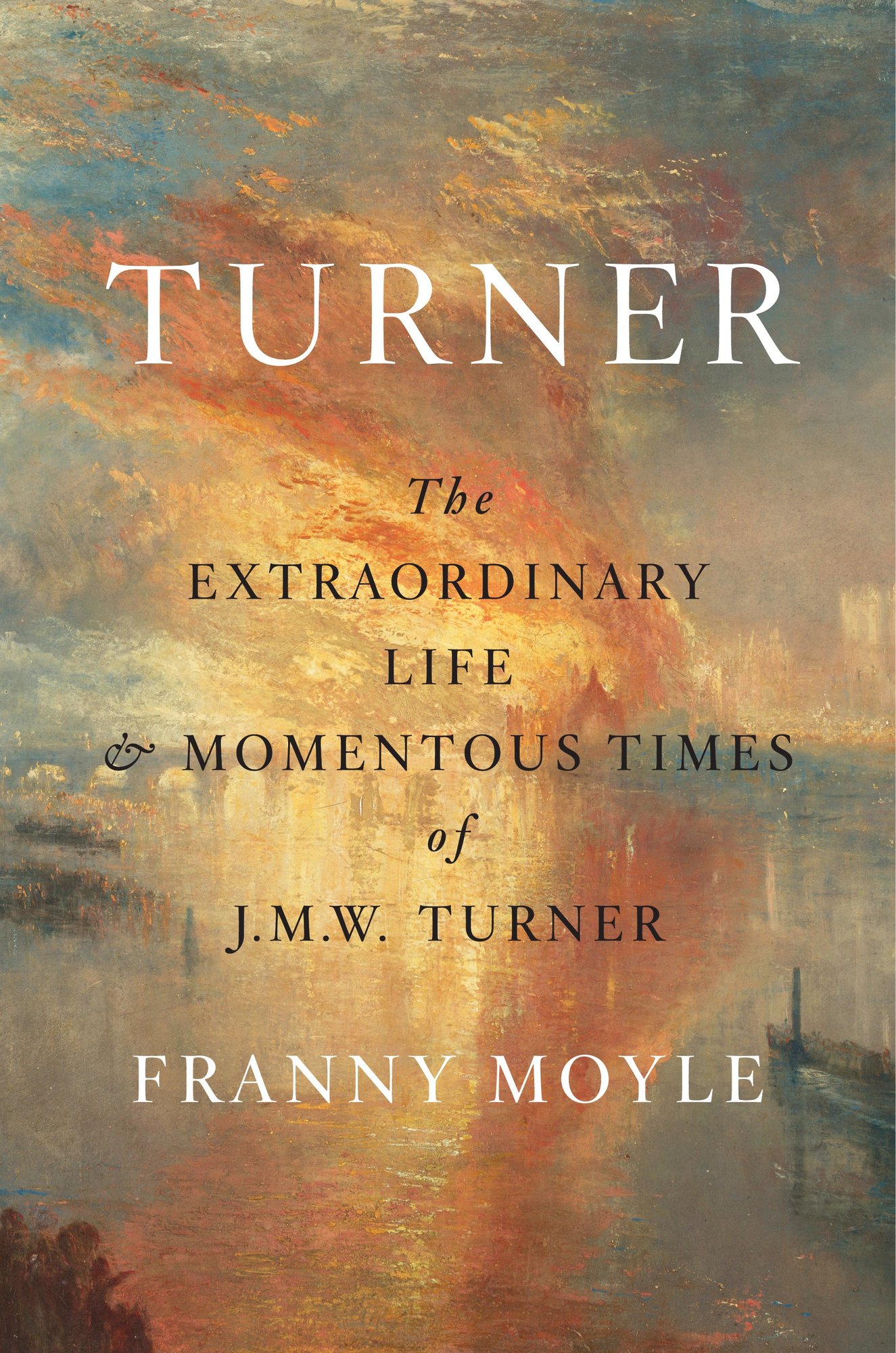
J.M.W. Turner was the son of a Covent Garden barber, sold his first drawings out of the shop window, got into the Royal Academy at fourteen, and became the most radical painter in England — and stayed a rough, secretive,…
No. 0148
history · Appalachia
Earl Swift
Virginian Earl Swift loves the Appalachian Trail. As a young man, he kept moving closer and closer to it, as if inching toward a girl he wanted to know, eventually leasing “a goddamn eyesore” apartment because it was located at…
No. 0437
essay · No fixed address
Rebecca Solnit
This is walking as a subject with a history. Solnit runs from bipedalism through the peripatetic philosophers, the invention of the country walk as recreation, Wordsworth and the Romantics, pilgrimage, the labyrinth, mountaineering, the flâneur, protest marches and the Suffragettes,…
No. 0348
history · No fixed address
Dan Flores
This is sixty-six million years of American animals in one book. Flores starts after the asteroid that killed the dinos and works forward — the strange menagerie that evolved, then the arrival of humans and the extinction of mammoths, horses,…
No. 0392
history · No fixed address
Roderick Nash
This is the book that helped found environmental history as a field. Nash traces what Americans have meant by wilderness — first a wasteland to be conquered, a place of moral danger, then, once it started running out, a national…
No. 0493
essay · American West
Daniel Duane
My favorite Daniel Duane book, and that’s saying something from the man who wrote Caught Inside. A Sierra boyhood braided with the harder history behind the postcard, and he never stops loving the place even as he reckons with it.